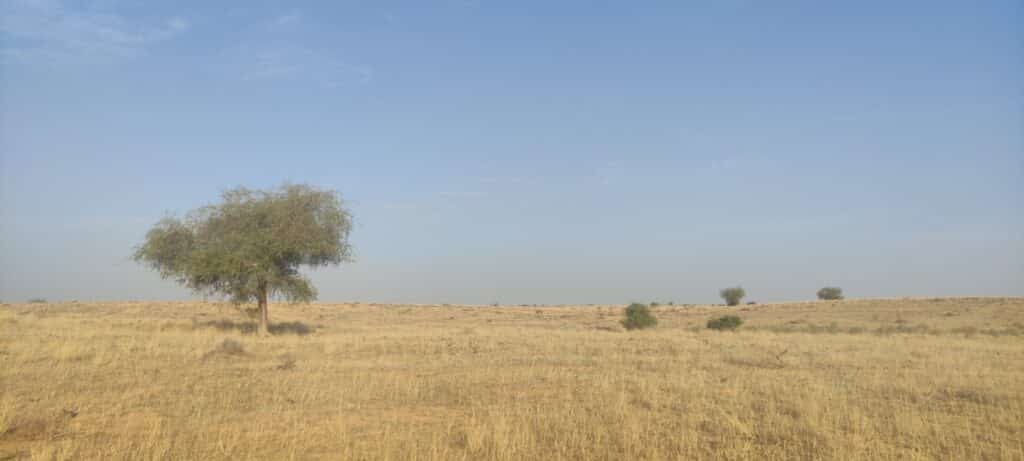
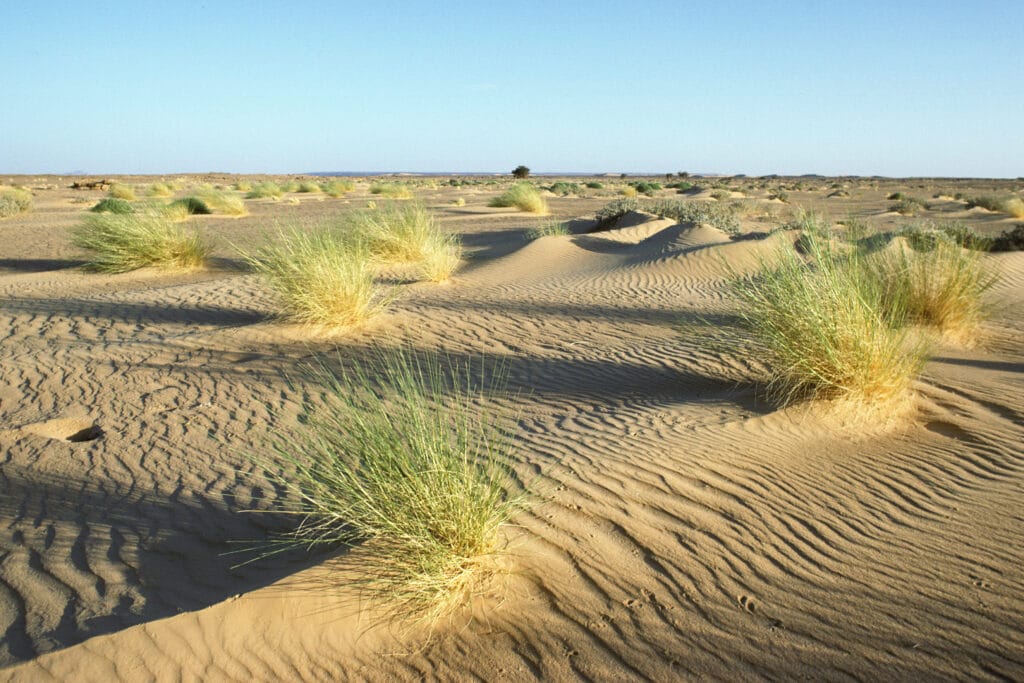
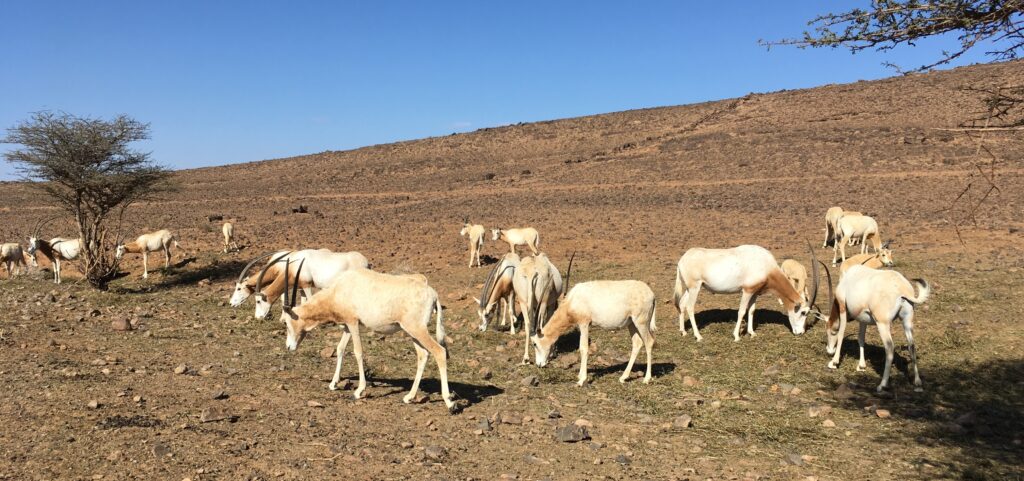
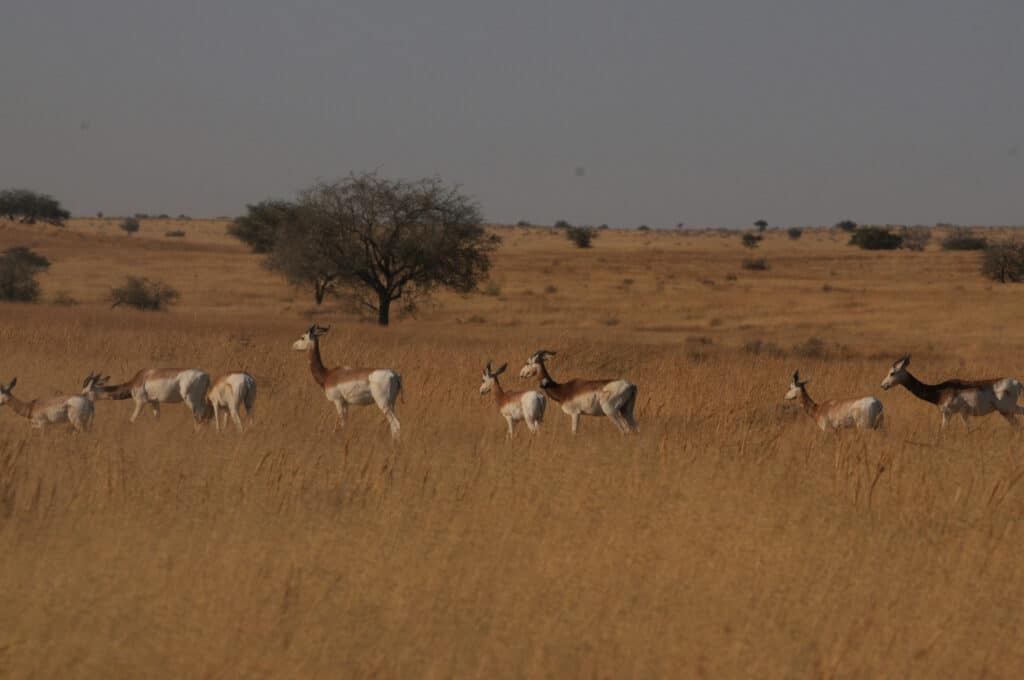
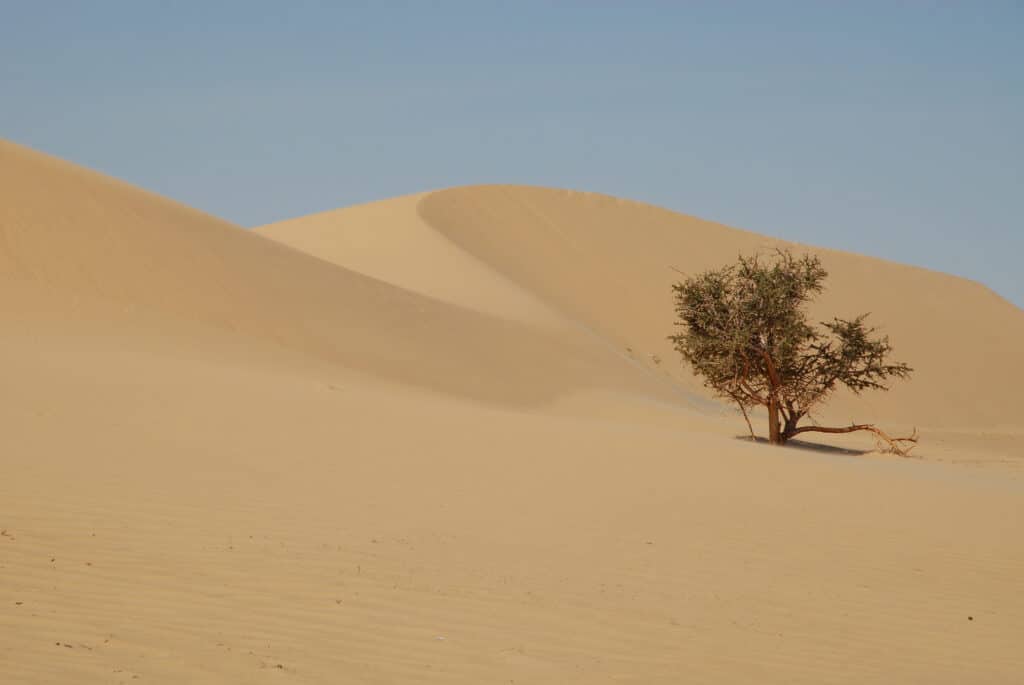
While maintaining a steadfast focus on species conservation, Sahara Conservation wants to emphasize on the need for scaled up, landscape-level approaches, that integrate wildlife conservation with the realities of human development. The unpredictable climate and the natural sparsity of natural resources in desert ecosystems mean that both humans and wildlife require access to vast spaces to prosper, virtually excluding the possibility of viable wildlife-only areas.


Our Work
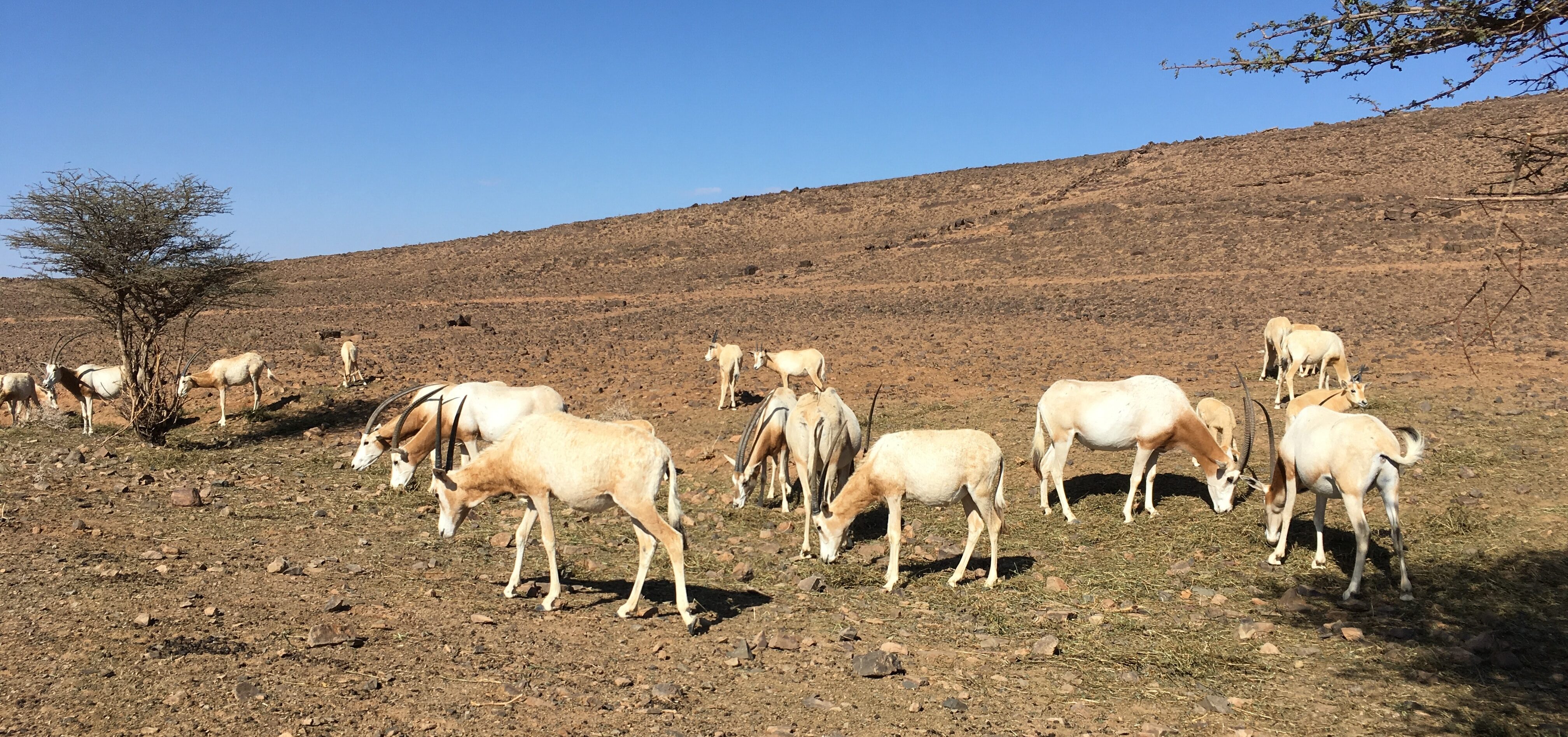
Sahara Conservation exists to conserve the wildlife of the Sahara and bordering Sahelian grasslands, together with the diverse landscapes required for its survival of the region’s embattled fauna and flora.
rewilding africa
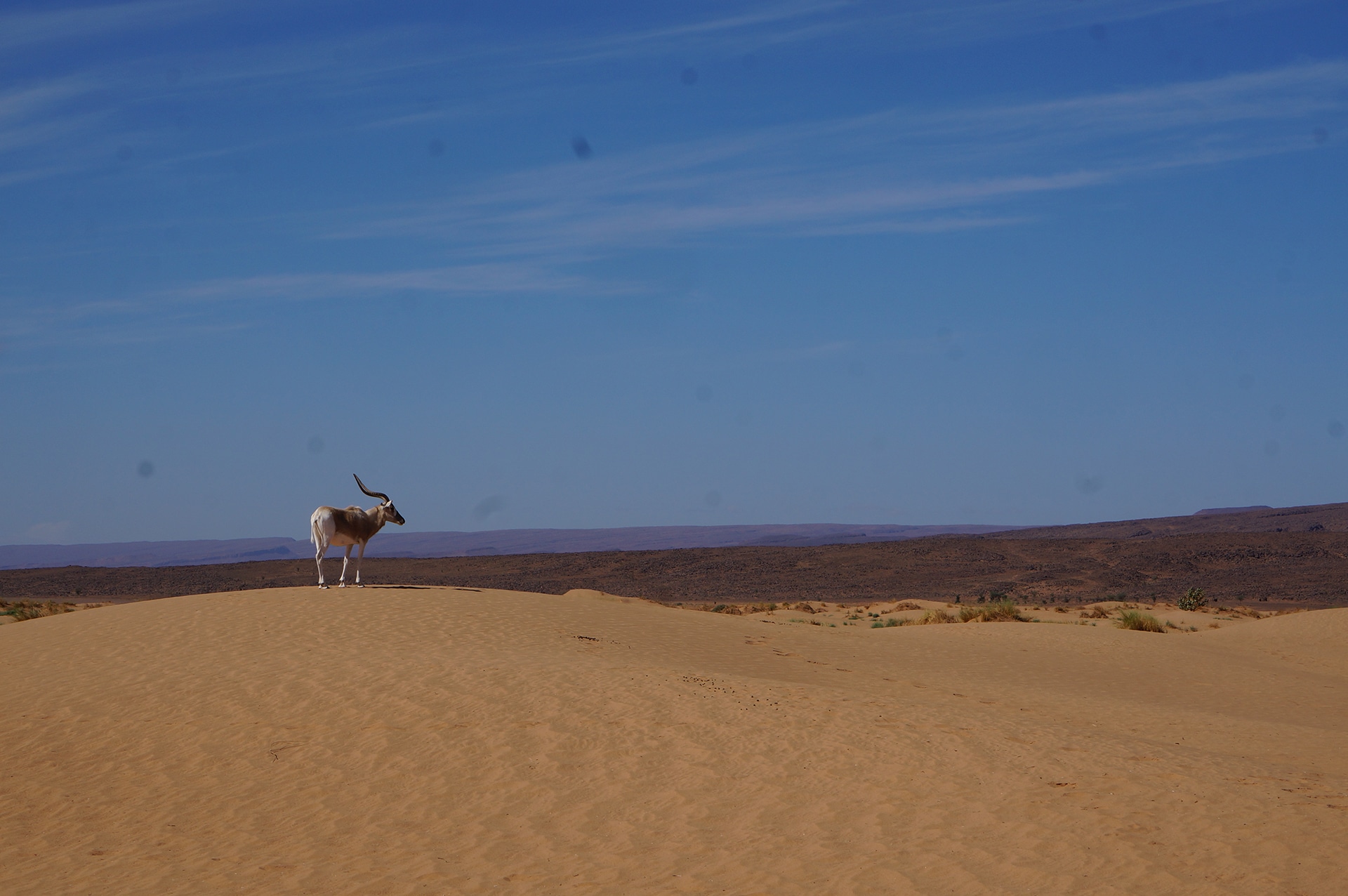
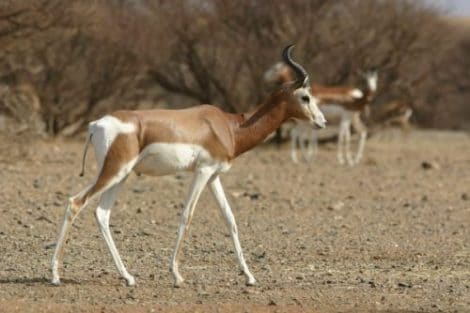
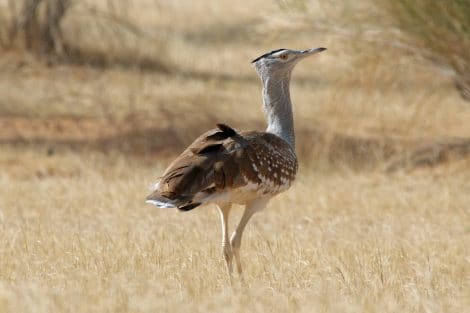
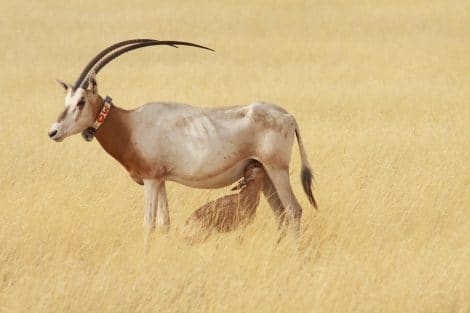
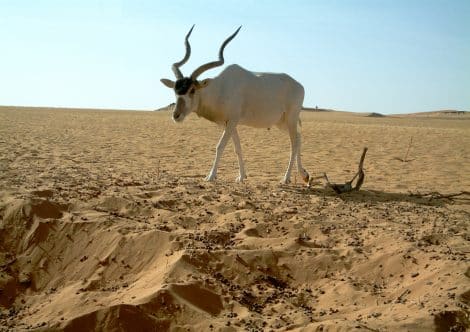
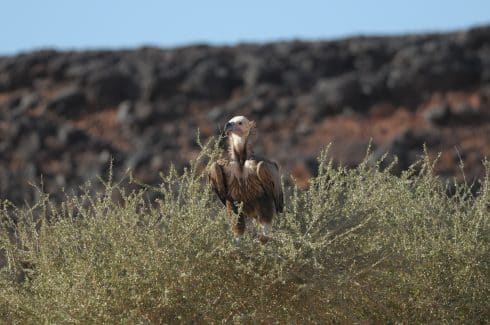
Key Focal Species

RESERVE MANAGEMENT
Deliver models of sustainable landscape management that integrate the livelihoods of local communities and land management practices with wildlife conservation
HUMANITARIAN ASSISTANCE
Provide local communities with health services and humanitarian assistance
REGIONAL ACTION
Partners with governments, conservation organization, and other important stakeholders across all the Sahara and Sahel.
KEY PUBLICATION
Inform about the progress of biodiversity conservation in the Sahara and Sahel and inspire others to take action
INTEREST GROUP
Created and manages the Sahelo-Saharan Interest Group (SSIG) and its annual meetings to facilitate knowledge sharing and collaboration aimed at conserving the Sahel and Sahara.










Our newsworthy items - news articles, media coverage, and press releases
Sahara Conservation latest news
- All
- Blog
- Stories